
Wallpaper removal: when to DIY and when to call a pro
By Farah Whitfield · Updated 2026-06-29
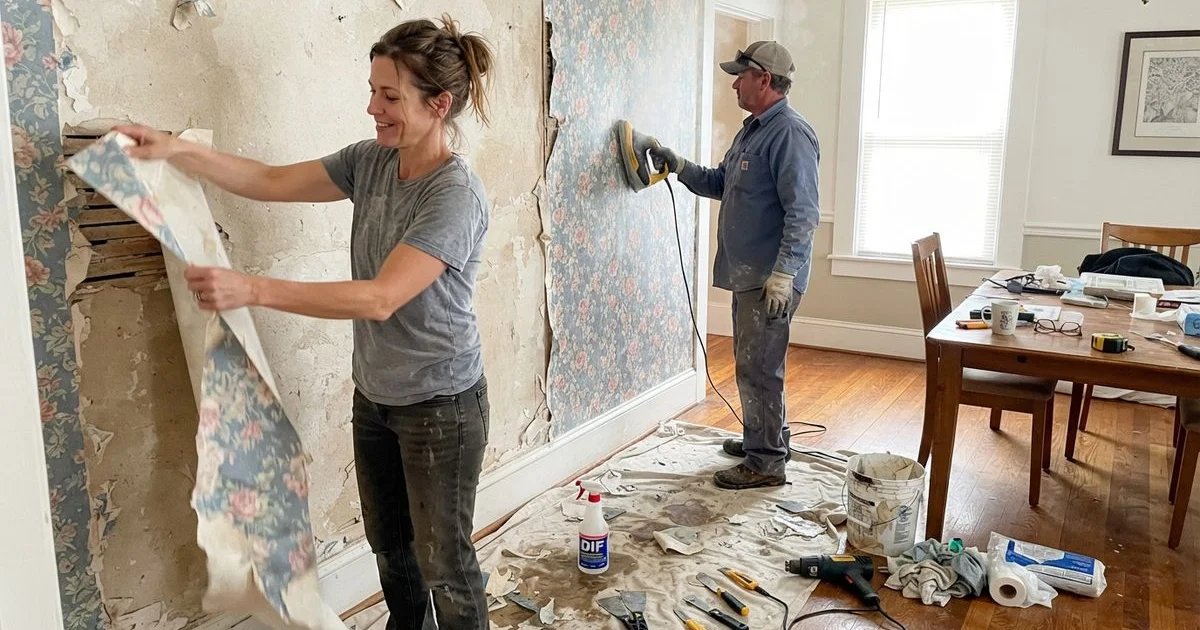
Wallpaper removal is one of those jobs that looks simple in a video and turns into a much bigger project than expected once the paper does not want to come off cleanly. Whether it makes sense to do it yourself or call a wallpaper removal provider mostly comes down to your walls, the type of paper, and how much repair work you are willing to take on if it goes sideways.
What makes wallpaper removal harder than it looks
The paper itself usually comes off without much drama. The problem is what is underneath it. Older adhesives, especially on plaster walls or homes with multiple layers of paper applied over the decades, can pull off chunks of the wall surface along with the paper. What starts as an afternoon project can turn into a weekend of drywall repair once you realize the wall needs patching, sanding, and a skim coat before it is paintable.
Newer, strippable wallpaper on solid drywall is a much friendlier DIY candidate. Vinyl-coated paper, multiple layers, or anything applied directly to plaster is where DIY attempts run into trouble most often.
When DIY makes sense
A single wall or small room with modern strippable paper, in good condition, on solid drywall, is a reasonable weekend project if you have basic patience and the right tools: a scoring tool to perforate the surface, a stripping solution or steamer to loosen the adhesive, and a wide putty knife to work it off without gouging the wall. Budget more time than you think you need. Rushing the process is what leads to torn drywall paper and gouges that need patching anyway.
Test a small, hidden section first, like behind a light switch plate or in a closet. If the paper comes off cleanly with the backing intact, the rest of the room will likely behave the same way.
When to call a pro instead
Hire it out if you are dealing with a large area, multiple rooms, plaster walls, or paper that has been up for decades with an adhesive that is not budging. A professional crew has seen enough different wall conditions to recognize quickly whether a wall needs steam, chemical stripper, or a more careful hand, and they carry the patching and skim-coating skills to fix any damage on the spot rather than leaving you with a wall that needs a second contractor to finish.
It is also worth hiring out if you plan to repaint right after removal and cannot afford a delay if the walls need more repair than expected. A pro who does this regularly can usually assess a room and tell you within minutes whether it is a clean strip or a messier job.
What a first DIY attempt often gets wrong
The most common mistake is skipping the scoring step, which perforates the paper’s surface so stripping solution or steam can actually reach the adhesive underneath. Without it, liquid sits on top of the paper and does little, which leads to more scraping force than necessary and a much higher chance of gouging the wall. The second common mistake is rushing while the adhesive is only partly softened, which tears the paper’s backing layer away and leaves patches that need sanding and skim-coating before any new paint or paper goes up. Both mistakes are avoidable with patience, but they are also exactly the kind of thing a first-timer does not know to watch for until it has already happened.
Comparing the two paths
| Factor | DIY | Hire a pro |
|---|---|---|
| Cost | Lower out of pocket, but risk of repair costs if it goes wrong | Higher upfront, but repair and cleanup are included |
| Time | Unpredictable, often longer than expected | Usually faster, with experience handling surprises |
| Risk to walls | Higher, especially on plaster or old paper | Lower, since pros recognize problem walls early |
| Best for | Single wall, modern strippable paper, solid drywall | Multiple rooms, plaster, old or multi-layer paper |
If you decide to hire it out
Ask whether the quote includes wall repair and priming, not just stripping the paper, since that is usually where the real time and skill goes. A written estimate that separates removal from any drywall repair found along the way will save you a surprise bill later.
For more on how our rankings weigh prep quality and follow-through on jobs like this, see our methodology, and start browsing options from the home page once you know which path fits your project.
FAQ
- Can I just paint over old wallpaper instead of removing it?
- It is possible with the right primer, but seams, texture, and any loose edges will usually show through the paint over time. Removal gives a cleaner, longer-lasting result, especially if you plan to sell the home or the paper has any damage.
- What tools do I need to remove wallpaper myself?
- A wallpaper scoring tool, a stripping solution or steamer, a wide putty knife, and plastic sheeting to protect floors are the basics. Older paper with multiple layers or plaster-damaging paste often needs more patience and repair supplies than a first attempt accounts for.
- How do I know if my walls have plaster or fragile drywall underneath?
- Homes built before the 1970s more often have plaster walls, which can chip or crumble under aggressive scraping. If you are not sure, test a small hidden section first, or ask a painter to assess it before you start pulling at a larger area.
- Is it worth hiring a pro just for a single accent wall?
- Often yes, since even a small area can go wrong quickly if the paper resists coming off cleanly. A professional can usually assess and strip a single wall faster than a first-time DIY attempt, and they will catch drywall damage before it becomes a bigger repair.